top of page
  • Facebook Social Icon

Hormuz is moving oil again, only half as much as before the war

  • Writer: Tharindu Ameresekere
    Tharindu Ameresekere
  • 10 minutes ago
  • 2 min read
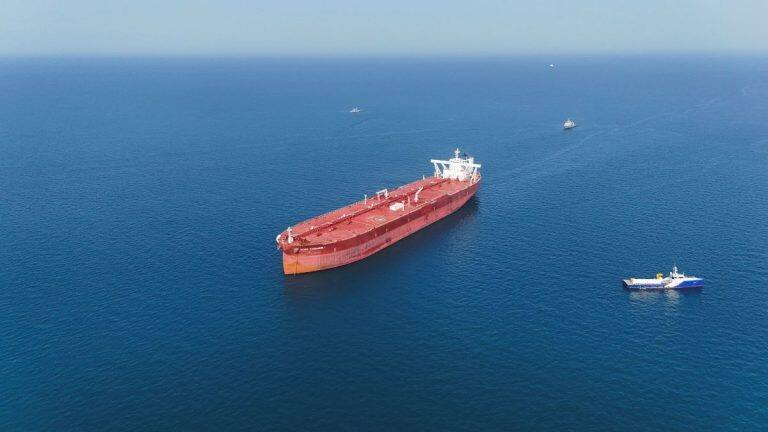
Picture Credit: by Firstpost

The Strait of Hormuz is open. The oil is moving. But anyone expecting a swift return to normal has been reading the situation too optimistically.


Crude flows through the world's most critical energy chokepoint are creeping higher, with estimates from oil traders monitoring cargo activity putting current shipments at between 6 and 8 million barrels a day. That is an improvement on the near-total blockade that defined the war's worst months, but it still represents roughly half of prewar levels, when the strait was handling around 20 million barrels per day, a fifth of all global seaborne oil supply.


The increase is doing its job of keeping crude prices in check. Brent crude has remained anchored in the low-to-mid $70s range, a dramatic reversal from the wartime peak of $126.41 a barrel that threatened to tip the global economy toward recession. For now, the partial reopening, combined with the flood of previously trapped barrels returning to market and Saudi Arabia's aggressive price cuts to Asian buyers, is providing enough supply-side relief to prevent another price spiral.


Picture Credit: by CNN

But Iran has not disappeared from the equation. Flows slipped back in July amid a fresh onslaught of attacks on supertankers, a reminder that Tehran retains both the will and the capability to disrupt shipping even under the terms of the memorandum of understanding with Washington. Iran's demands for passage fees, approved routes, and exclusive maintenance rights over subsea cables continue to hang over every tanker captain and every energy trader watching the strait.


The recovery is real. The fragility beneath it is equally real.

For Sri Lanka, which imports 100% of its oil and whose fuel bills surged nearly 75% during the closure, the return to half-capacity flows is welcome relief, but not yet the full normalisation the economy needs to reverse the fuel price hikes imposed during the crisis.


Half-open is better than closed. It is not the same as fixed.


Comments


SIGN UP AND STAY UPDATED!

Joing our maling list &

Never miss an update

  • Grey Facebook Icon

© 2018 BusinessLounge.lk

bottom of page