
Democrats seize control: What's next for US politics?
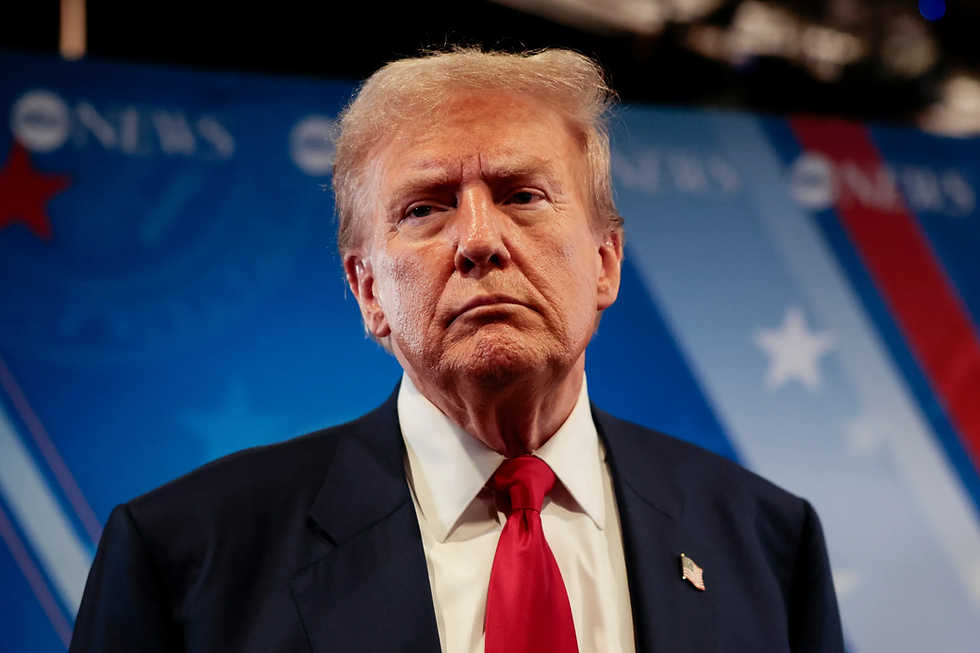
Picture Credit: Vanity Fair
The Democratic Party has secured control of both chambers of the US Congress following a sweeping midterm victory, delivering a significant setback to President Donald Trump and his Republican Party. The results extend beyond Washington, with Democrats also winning Senate races in traditionally Republican states such as Texas, South Carolina and Kansas, marking a shift in several long-standing political strongholds.
The outcome reflects voter dissatisfaction with the administration’s handling of the economy, particularly rising living costs, tariffs and the ongoing war in Iran. With Republicans losing key contests, including races involving Trump-backed candidates, attention is now turning to how the president will respond. Although the results weaken his political position, Trump retains executive authority for the remainder of his term and has already signaled his intention to use his presidential veto power.
Democratic control of Congress could reshape the administration’s remaining two years. The party has indicated plans to challenge Trump's tariffs, restore healthcare subsidies and scrutinise the administration through congressional investigations. Democrats will also gain greater influence over Senate confirmations, allowing them to delay or block appointments to senior government positions and federal courts. However, passing legislation will remain difficult without the president's approval.

The results could also influence US trade relations with Canada. Canadian Prime Minister Mark Carney has indicated that Washington has become more flexible in ongoing trade negotiations, with the United States reportedly making concessions on issues previously considered Canadian red lines. The election outcome may provide Canada with additional leverage, although former ambassador Kirsten Hillman has urged Ottawa to maintain constructive negotiations rather than change its approach prematurely.
Meanwhile, the political focus is already shifting towards the 2028 presidential election. Vice-President JD Vance remains a potential successor within the Republican Party, while Democrats face an internal debate between centrist and progressive candidates. The victories in traditionally Republican states could influence that discussion. Beyond the immediate change in congressional control, the midterms have opened a new chapter in American politics, with the balance of power, foreign policy and the future direction of both parties now under renewed scrutiny.



Comments